Value-Based Care Training for Home Care Agencies

Value-based care training prepares home care and home health caregivers to deliver outcome-driven services tied to quality measures rather than visit volume. As Medicare, Medicaid managed care plans, and private payors tie reimbursement to patient outcomes, agencies that train frontline staff on care coordination, chronic condition management, and accurate data collection are better positioned to meet quality benchmarks and protect revenue.

The Shift to Value-Based Payments in Home Care

Value-based payment models are no longer limited to hospitals and physician practices. They are reshaping home care.

On the Medicare side, CMS’s expanded HHVBP model now applies to every Medicare-certified home health agency in all 50 states. The first payment year began in 2025, with agencies receiving payment adjustments of up to 5% upward or downward based on quality performance. The second payment year took effect in 2026, applying adjustments based on 2024 performance data (CMS, Expanded HHVBP Model Guide, December 2025). Agencies that score poorly on functional improvement, hospital readmission rates, and patient satisfaction measures face direct revenue impact.

On the Medicaid side, the shift is just as significant. Over 39 states now use managed care to deliver at least some home care services (KFF, Medicaid Home Care (HCBS) in 2025). Managed long-term care organizations and Medicaid MCOs are increasingly building quality incentives into their provider contracts, tying reimbursement to training completion rates, patient outcomes, and workforce retention metrics. States have also invested ARPA and FMAP funds in strengthening HCBS, with workforce training and quality improvement among the most common initiatives (CMS, HCBS Spending Plans).

For personal care agencies operating under Medicaid managed care, the pressure is practical: MCOs want to see that caregivers are trained on the conditions and populations they serve. Agencies that cannot demonstrate structured training programs risk losing preferred provider status, facing lower contract rates, or being excluded from new VBP arrangements entirely.

What Value-Based Care Means for the Home Care Workforce

In a fee-for-service model, an agency gets paid for delivering visits. In a value-based model, an agency’s reimbursement depends on the results of those visits: Did the client’s condition improve? Were hospitalizations avoided? Was the client satisfied with the care?

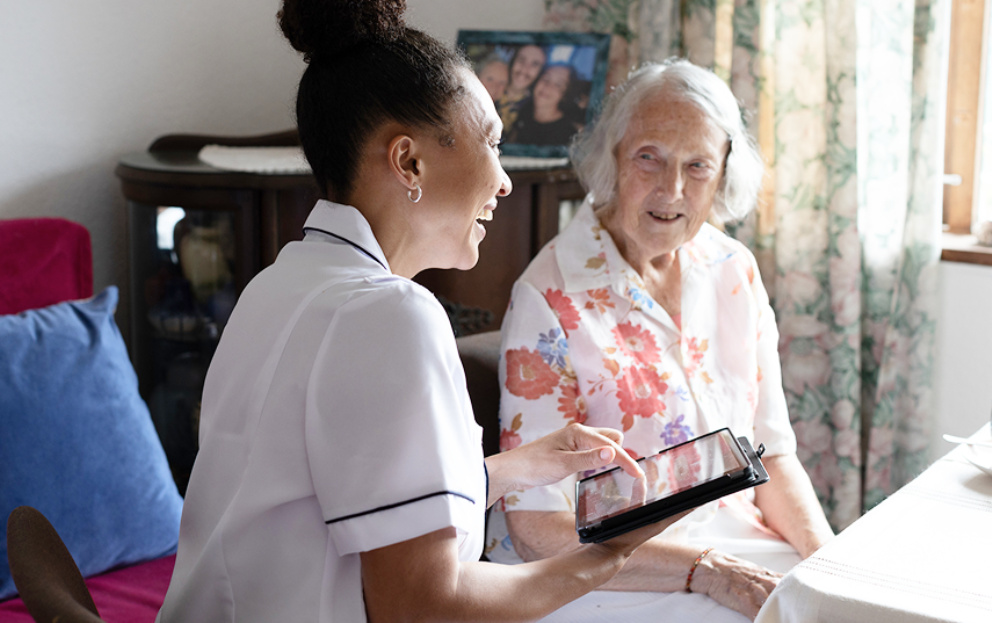
Caregivers are the ones delivering those results. A home health aide managing a client with diabetes needs to recognize when blood sugar is unstable and escalate to the clinical team before a crisis. A personal care attendant working with a client who has depression needs to notice behavioral changes and communicate them accurately. A caregiver collecting visit data needs to document what they observed, not just that they showed up.

This is why value-based care is fundamentally a workforce training issue. The technology, the contracts, and the quality measures all depend on what caregivers know and do at the point of care. Agencies that invest in caregiver training for VBP build the skills that directly drive the outcomes payors are measuring.

Nevvon's Value-Based Payments Training Modules

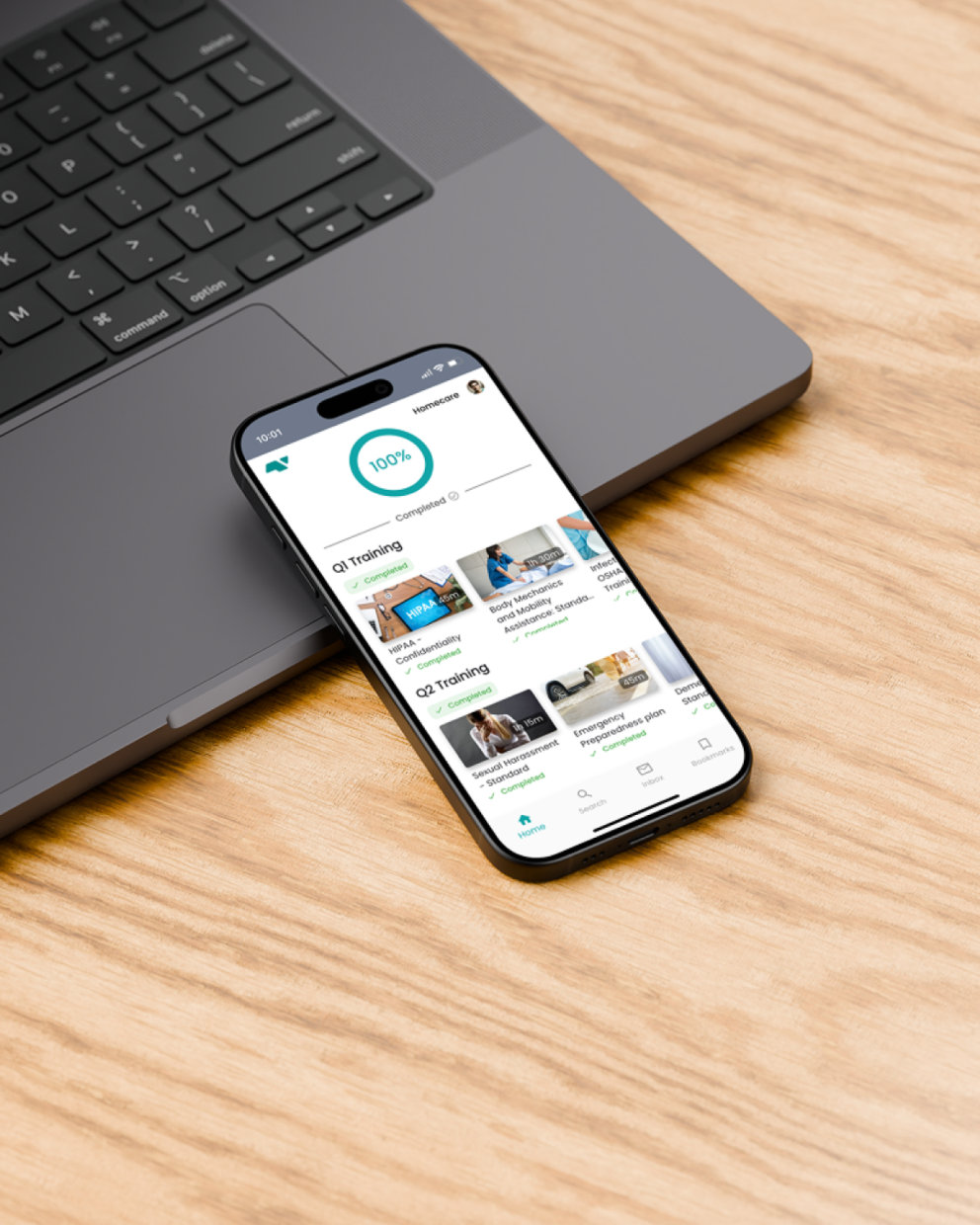
Nevvon’s VBP training series is designed specifically for the direct care workforce, including home health aides, personal care attendants, and other frontline caregivers. The program builds the clinical awareness, documentation habits, and care coordination skills that map directly to the quality outcomes payors are measuring.

Unlike generic compliance modules that teach regulations in the abstract, this series connects every lesson to what caregivers actually do during visits: recognizing symptom changes, collecting accurate data, communicating with the care team, and supporting clients through chronic conditions and behavioral health challenges.

Population Health and Care Coordination

Caregivers learn what health literacy, social determinants of health, and population health mean in practice. The module covers Medicare and Medicaid basics, care coordination principles, and long-term services and supports. By the end, caregivers can describe their role in coordinating care across providers and improving outcomes for the populations they serve.

Communication Skills

This module teaches caregivers to apply SBAR communication (Situation, Background, Assessment, Recommendation) when reporting to clinical teams. It also covers adapting communication for clients with diverse health challenges, managing difficult conversations, and building trust through clear, respectful interactions. For home care agencies, strong caregiver-to-coordinator communication is often the difference between catching a change in condition early and a preventable hospitalization.

Chronic Care Medical Management

Caregivers learn to recognize symptoms and care considerations for chronic conditions common across home care populations, including diabetes, COPD, heart failure, chronic pain, hypertension, stroke, and urinary tract infections, among others. The focus is on early identification of changes in condition and understanding when to escalate to clinical staff. For agencies serving Medicaid populations with multiple chronic conditions, this training directly supports the quality outcomes MCOs track.

Behavioral Health Care Management

According to the CDC, more than 50% of people will be diagnosed with a mental illness or disorder at some point in their lives (CDC). This module helps caregivers identify warning signs of behavioral health conditions, reduce stigma, and support clients living with anxiety, depression, substance use, and other challenges. Home care caregivers often spend more time with clients than any other member of the care team, making them uniquely positioned to notice behavioral changes that would otherwise go unreported.

Improving Client Care Through Data Collection

Caregivers are the care team’s everyday eyes and ears. This module teaches them how to collect and share accurate visit data, understand what outcome measurement means, distinguish between subjective and objective information, and follow HIPAA-compliant documentation practices. For home health agencies, these skills directly improve the accuracy of OASIS-based outcome measures. For home care agencies under Medicaid managed care, accurate reporting supports the quality data MCOs use to evaluate provider performance.

Why Caregiver Training Drives VBP Performance

Value-based payment models measure what happens at the point of care. Whether it is the HHVBP model evaluating Medicare home health agencies on functional improvement and readmission rates, or a Medicaid MCO tracking training completion and patient satisfaction across its personal care network, the common thread is the same: outcomes depend on what caregivers do, observe, and report during visits.

Nevvon’s VBP series builds the specific skills that drive these outcomes:

  • Accurate observation and reporting reduces missed symptom changes, which reduces avoidable hospitalizations
  • Structured communication (SBAR) ensures clinical teams and care coordinators get timely, actionable information from the field
  • Chronic care and behavioral health training helps caregivers support the conditions most common in home care populations
  • Data collection training improves documentation accuracy, whether it feeds into OASIS measures for home health or MCO quality reporting for personal care

Who This Training Is For

Nevvon’s value-based care training is designed for home care agencies, home health agencies, and managed long-term care organizations preparing their direct care workforce for outcome-based reimbursement. It is relevant across both Medicare and Medicaid settings, including:

  • Home health agencies participating in the CMS HHVBP model
  • Personal care agencies operating under Medicaid managed care contracts with quality incentives
  • MLTC and managed care organizations building VBP into their provider networks
  • Agencies in states investing ARPA/FMAP funds in workforce training and quality improvement

Prepare Your Workforce for Value-Based Care

Find out how Nevvon’s VBP training maps to your agency’s quality measures and compliance requirements.

We provide training across the care spectrum:
 home care, home health care, and facility-based care.

Let’s Talk!

We’re home care operators who built the training platform we wished we had. Tell us what’s not working, and we’ll show you how Nevvon fits your setup.

Scroll to Top

Caregivers

Employers